Main Introduction
Artificial Turf Removal and Disposal
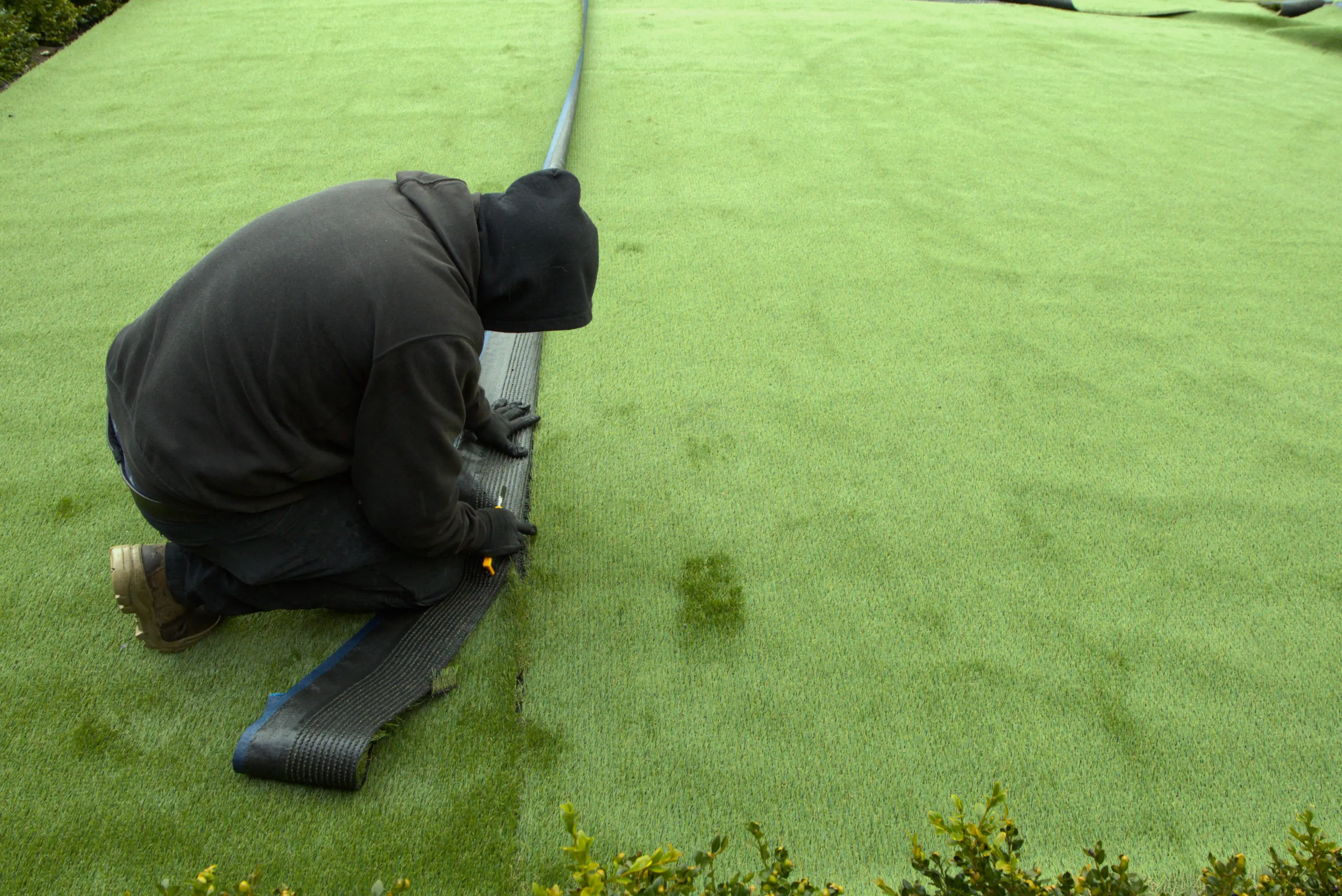
Artificial Turf Removal and Disposal in Baytown addresses the reality that coastal climate installations age differently than inland turf. A surface installed five or eight years ago on a Trinity Bay waterfront lot or a Cedar Bayou marina-adjacent property has been exposed to sustained salt-air, seasonal heavy-rainfall drainage pressure, and the kind of outdoor use that fishing-camp culture produces. When that surface reaches the end of its useful life, removal is more than pulling up the turf — it is the beginning of a base assessment that determines what the next installation requires to perform correctly for the next decade.
Baytown's coastal conditions create specific removal challenges. Salt-air weathering of perimeter anchoring systems can make edge extraction more labor-intensive on waterfront properties than on inland sites where anchoring materials degrade at slower rates. Sub-base moisture behavior on bay-adjacent lots — where soil moisture levels remain elevated longer between rain events — affects removal sequencing and staging. These are not complications that arise from poor original installation; they are the natural result of a coastal climate environment doing what it does over time.
Turf Installation of Baytown approaches removal and disposal projects with the same site-assessment discipline that guides installation work. Before any material is pulled, we walk the property to document the existing surface condition, assess anchoring system integrity, identify any sub-base drainage issues that the departing installation may have obscured, and confirm staging access for material removal. That assessment drives the removal sequence and informs our base condition report at the end of the project.
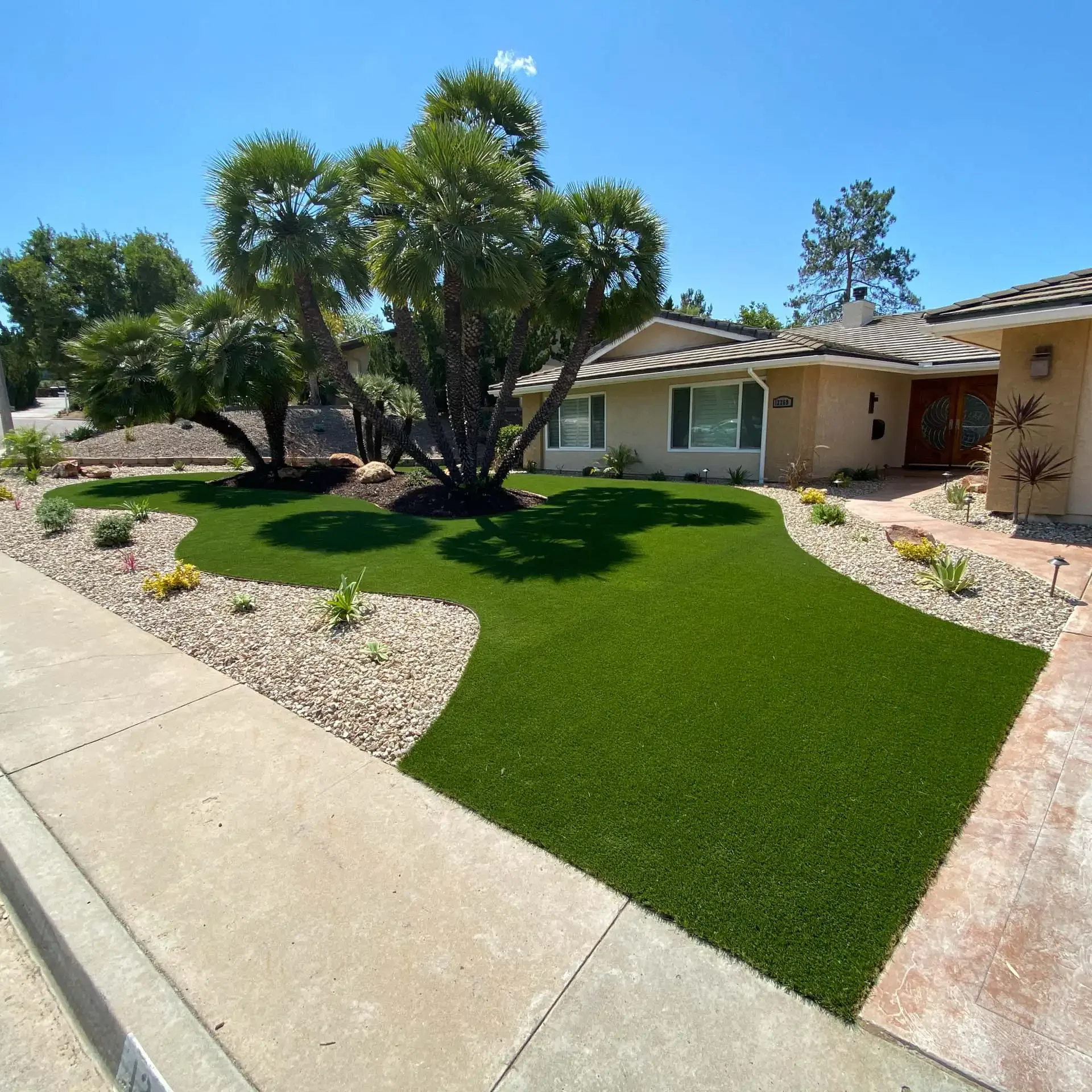
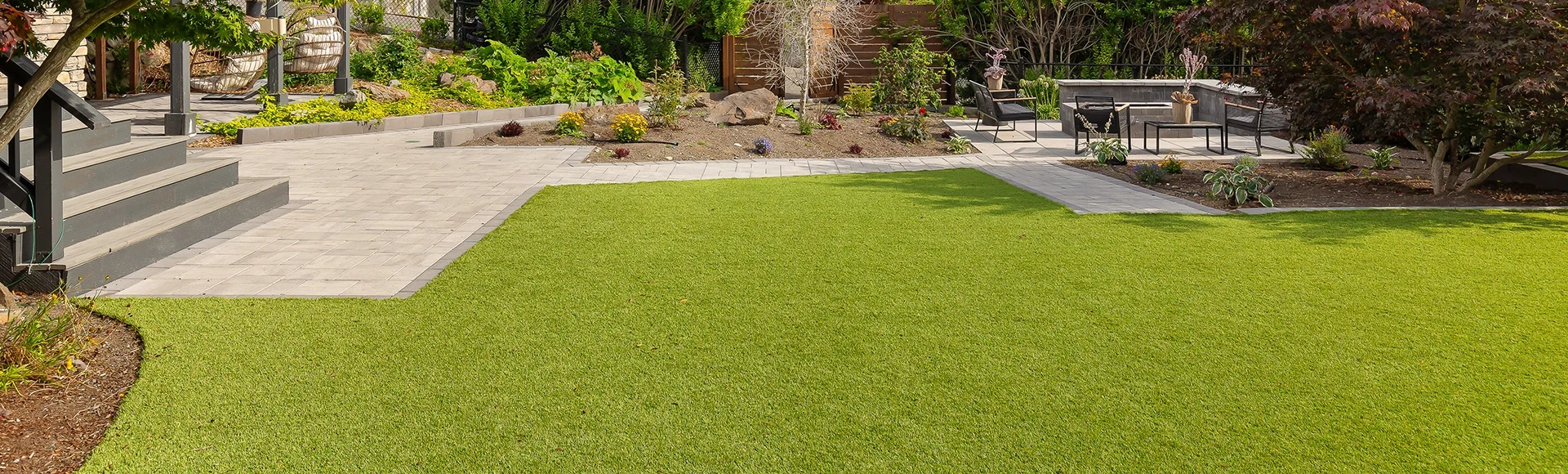
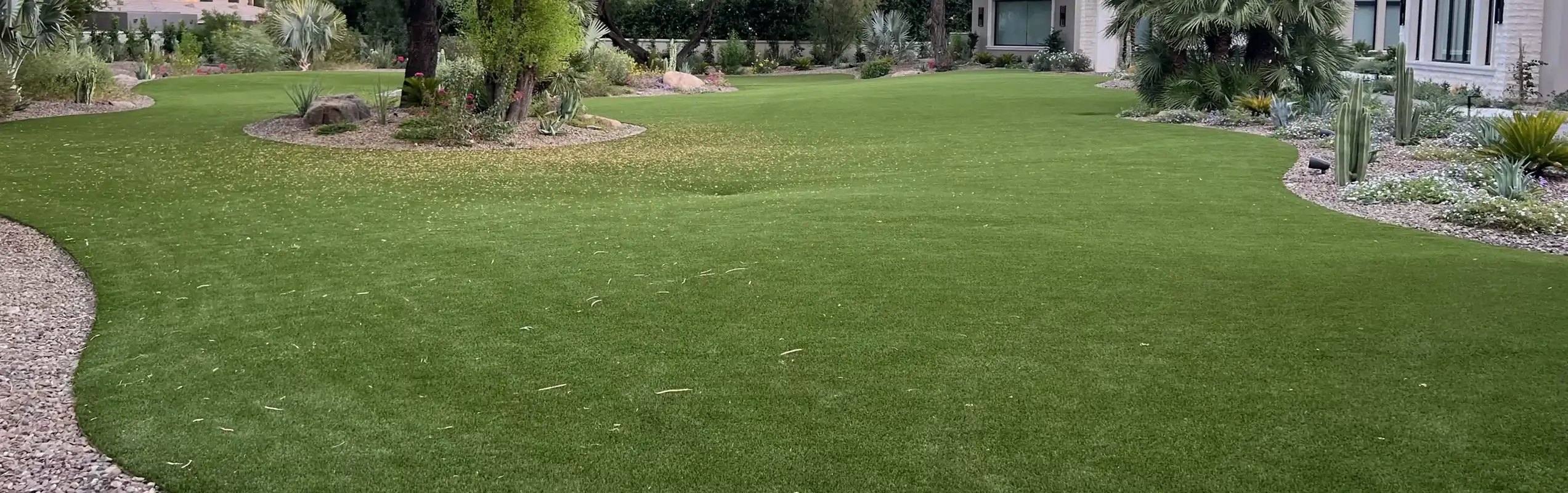
For Baytown properties replacing aging turf that was installed before the market understood coastal drainage requirements — pre-2015 installations in the Trinity Bay corridor are a common scenario — removal frequently reveals sub-base issues that weren't addressed at original installation. We document these conditions during the removal assessment and include a base remediation scope in the replacement recommendations so the next surface goes down on a properly prepared foundation.
Hurricane-damaged turf removal is a specific scenario we handle throughout the Baytown service area. Storm surge and high-wind events can delaminate edge sections, migrate sub-base material, and create drainage problems that make surface-only repair impractical. We assess storm-damaged installations for the extent of sub-base impact before recommending removal scope so property owners understand what they're working with before committing to a teardown.
Material disposal follows local Harris County and Chambers County requirements. We coordinate haul-off logistics from site staging through final disposal and provide property owners with disposal documentation on request.